Panick Attacks
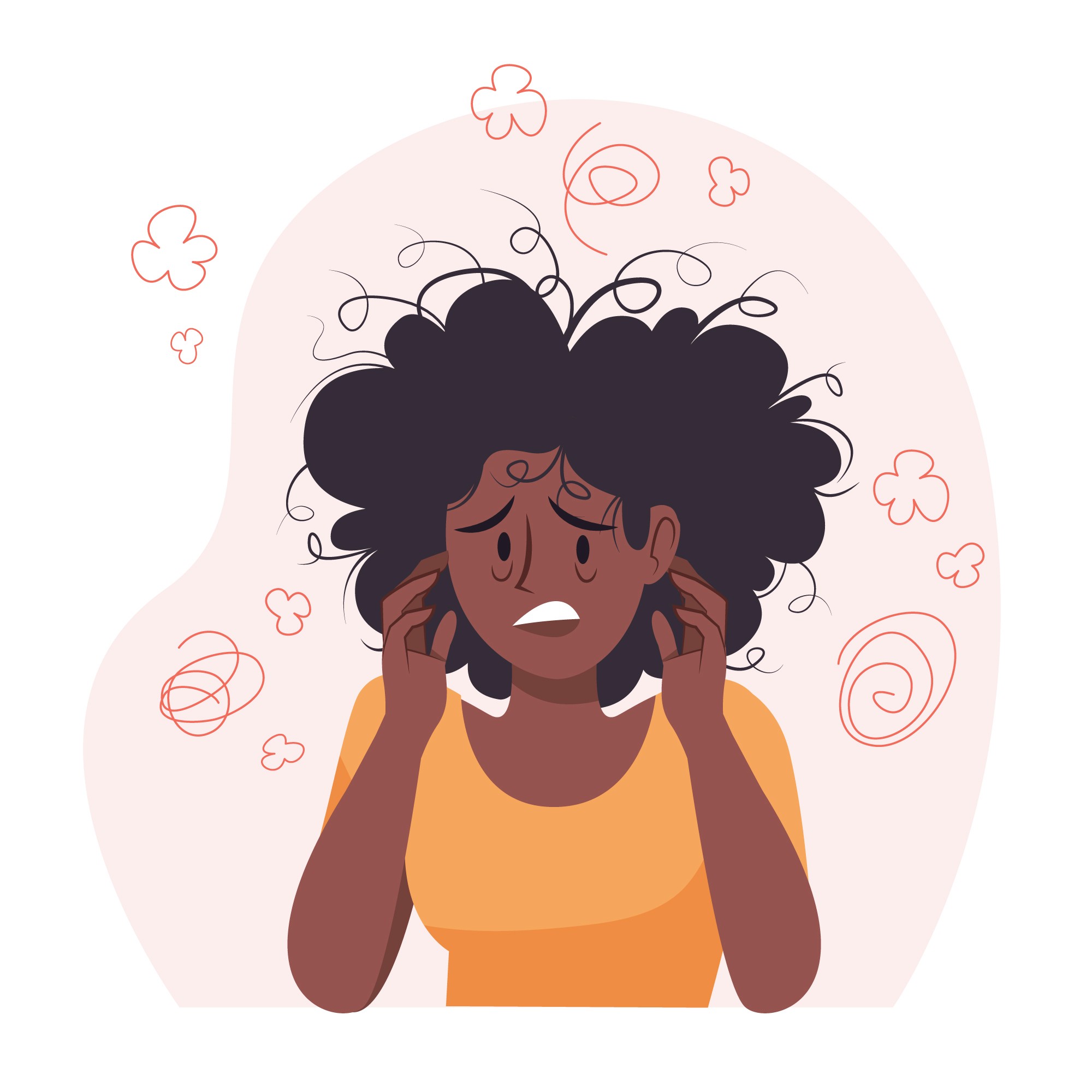
Panic Attacks
Definition
A panic attack is a sudden episode of intense fear or discomfort that typically reaches a peak within minutes and is accompanied by physical and cognitive symptoms (American Psychiatric Association, 2022).
Panic attacks can be unexpected, meaning they occur for no apparent reason, or expected, occurring in response to a specific feared situation or object (American Psychiatric Association, 2022).
Symptoms
Panic attacks involve physical symptoms such as a rapid heart rate, sweating, trembling, shortness of breath, a choking sensation, chest or abdominal discomfort, dizziness, nausea, tingling sensations, and chills or heat sensations (American Psychiatric Association, 2022).
Cognitively, individuals may experience an intense fear of dying, losing control, or “going crazy” (World Health Organization, 2022).
Feelings of detachment from reality (derealization) or from oneself (depersonalization) may also occur (World Health Organization, 2022).
Symptoms usually peak within minutes and then gradually subside, although some symptoms may briefly intensify again before fully resolving (American Psychiatric Association, 2022).
Risk Factors
A combination of genetic, biological, and environmental factors contributes to the likelihood of experiencing panic attacks.
A family history of anxiety or panic-related conditions is associated with increased risk (American Psychiatric Association, 2022).
High neuroticism, or a tendency toward frequent negative emotional states, is also linked to increased vulnerability (American Psychiatric Association, 2022).
High anxiety sensitivity, meaning the tendency to interpret anxiety-related physical sensations as dangerous, can intensify panic symptoms and increase the likelihood of developing panic disorder (Wittchen & Essau, 1993).
Smoking and alcohol misuse are associated risk factors (American Psychiatric Association, 2022; Mathew et al., 2011).
Early traumatic or highly stressful experiences, especially during childhood, are linked to a greater likelihood of developing panic and anxiety symptoms later in life (Wittchen & Essau, 1993).
Many individuals report identifiable stressors in the weeks or months before their first panic attack, such as interpersonal stress, illness, or major life events (American Psychiatric Association, 2022).
Panic attacks are more commonly reported in females than in males (American Psychiatric Association, 2022).
Although panic attacks can occur in childhood, they become more common after puberty, with prevalence increasing during adolescence and adulthood (American Psychiatric Association, 2022).
Panic attacks are associated with several anxiety disorders, including panic disorder, social anxiety disorder, generalized anxiety disorder, and obsessive-compulsive disorder, meaning individuals with these conditions may be at higher risk. However, they can also occur in people with no history of mental illness (World Health Organization, 2022).
How to Help Someone Experiencing a Panic Attack
Stay with the person and remain calm. A steady presence can reduce fear and help them feel safer during the panic attack (Kelly et al., 2009).
Use short, simple sentences when speaking. Processing complex information can be difficult during a panic attack (Kelly et al., 2009).
Reassure the person that although panic attacks feel frightening, they are temporary and not physically dangerous (Kelly et al., 2009).
Encourage slow, controlled breathing to help reduce physiological arousal and support a return to baseline (Kelly et al., 2009).
Help the person focus on their surroundings using grounding techniques to shift attention away from fear-based thoughts (Kelly et al., 2009).
Avoid minimizing or dismissing their experience. Validation can reduce distress and help the episode pass more quickly (Kelly et al., 2009).
After the panic attack has passed, encourage the person to seek professional support if episodes are recurrent or significantly disruptive to daily life.
What Someone Can Do During a Panic Attack
When anxiety first begins to rise, early strategies can help prevent symptoms from escalating into a full panic attack (Roth, 2010).
Breathing techniques can help reduce nervous system arousal before symptoms intensify. One method is the double inhale followed by a long exhale: take one full inhale, then a short second inhale, followed by one slow, controlled exhale. Repeating this at least three times can help calm the body’s stress response (Balban et al., 2023).
Another early strategy is progressive muscle relaxation. Tense different muscle groups, hold briefly, and release them slowly. This can reduce the physical tension that often builds as anxiety rises (Muhammad Khir et al., 2024).
During a panic attack, it can be helpful to focus on accepting physical sensations rather than fighting them. Reminding yourself that these sensations feel intense but are not physically dangerous can reduce fear and make the experience feel less overwhelming (Meuret et al., 2012).
One approach is to gently scan the body and notice where sensations are present, allowing attention to rest on those areas without trying to change or resist them (Meuret et al., 2012).
Create distance from catastrophic thoughts by recognizing them as mental events rather than immediate facts. Noticing thoughts such as fear of dying, losing control, or something terrible happening as thoughts rather than realities can reduce their intensity and make them feel less overwhelming (Meuret et al., 2012).
Grounding techniques can also reduce feelings of losing control or becoming overwhelmed. Focusing on the breath, noticing a sound, looking closely at an object, or paying attention to the feeling of your feet on the floor can help reorient attention to the present moment (Michael, 2000; Roth, 2010).
During or after a panic episode, it can be useful to continue engaging in small, manageable actions rather than withdrawing completely. Maintaining ordinary activities where possible can help reduce the tendency to associate panic with avoidance (Meuret et al., 2012).
In the longer term, it is important to address sources of stress or fear directly, since panic is often linked to ongoing stressors or fears that have been ignored or pushed aside (Blechner, 2007).
References
American Psychiatric Association. (2022). Diagnostic and statistical manual of mental disorders (5th ed., text rev.). https://doi.org/10.1176/appi.books.9780890425787
Balban, M. Y., Neri, E., Kogon, M. M., Weed, L., Nouriani, B., Jo, B., Holl, G., Zeitzer, J. M., Spiegel, D., & Huberman, A. D. (2023). Brief structured respiration practices enhance mood and reduce physiological arousal. Cell Reports Medicine, 4(1), 100895. https://doi.org/10.1016/j.xcrm.2022.100895
Blechner, M. J. (2007). Approaches to panic attacks. Neuropsychoanalysis, 9(1), 91–100. https://doi.org/10.1080/15294145.2007.10773545
Craske, M. G., Stein, M. B., Eley, T. C., Milad, M. R., Holmes, A., Rapee, R. M., & Wittchen, H. U. (2017). Anxiety disorders. Journal of Affective Disorders, 190, 359–370. https://doi.org/10.1016/j.jad.2016.07.008
Kelly, C. M., Jorm, A. F., & Kitchener, B. A. (2009). Development of mental health first aid guidelines for panic attacks: A Delphi study. BMC Psychiatry, 9, 49. https://doi.org/10.1186/1471-244X-9-49
Mathew, A. R., Norton, P. J., Zvolensky, M. J., Buckner, J. D., & Smits, J. A. J. (2011). Smoking behavior and alcohol consumption in individuals with panic attacks. Journal of Cognitive Psychotherapy, 25(1), 61–70. https://doi.org/10.1891/0889-8391.25.1.61
Meuret, A. E., Twohig, M. P., Rosenfield, D., Hayes, S. C., & Craske, M. G. (2012). Brief acceptance and commitment therapy and exposure for panic disorder: A pilot study. Cognitive and Behavioral Practice, 19(4), 606–618. https://doi.org/10.1016/j.cbpra.2012.05.004
Muhammad Khir, S., Wan Mohd Yunus, W. M. A., Mahmud, N., Wang, R., Panatik, S. A., Mohd Sukor, M. S., & Nordin, N. A. (2024). Efficacy of progressive muscle relaxation in adults for stress, anxiety, and depression: A systematic review. Psychology Research and Behavior Management, 17, 345–365. https://doi.org/10.2147/PRBM.S437277
Roth, W. T. (2010). The common mechanisms of panic disorder therapies. Depression and Anxiety, 27(8), 748–753. https://doi.org/10.1002/da.20601
Wittchen, H. U., & Essau, C. A. (1993). Epidemiology of panic disorder: Progress and unresolved issues. Journal of Psychiatric Research, 27(Suppl. 1), 47–68. https://doi.org/10.1016/0022-3956(93)90017-V
World Health Organization. (2022). International classification of diseases (11th ed.). https://icd.who.int/