Responding to Unpleasant Emotions
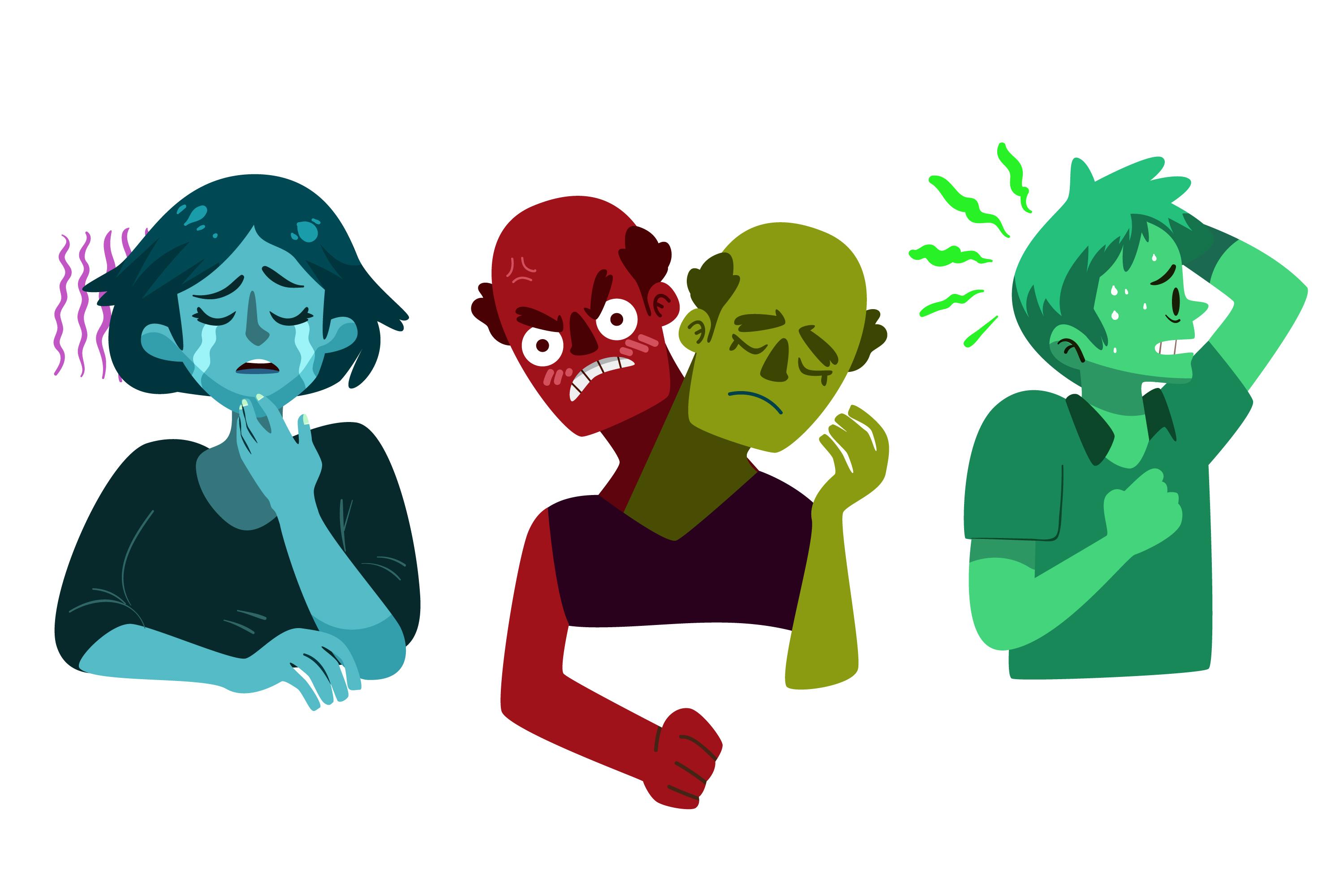
Phase 1: Using Grounding Techniques to Stay in the Present Moment
Physiological Sigh
What the Physiological Sigh Is
The physiological sigh is a breathing pattern that occurs naturally in humans and animals. It involves two inhales followed by one long exhale, which helps regulate breathing.
https://hubermanlab.stanford.edu/newsletter/physiological-sighThe breathing pattern consists of two quick inhales through the nose and a slow exhale through the mouth. The first inhale fills the lungs, and the second inhale expands the lungs further.
https://hubermanlab.stanford.edu/newsletter/physiological-sighThe second inhale helps reopen tiny air sacs in the lungs called alveoli. Reopening these air sacs improves oxygen exchange and supports efficient breathing.
https://hubermanlab.stanford.edu/newsletter/physiological-sigh
Importance of the Physiological Sigh
Stress and Anxiety Reduction
The physiological sigh is one of the fastest ways to reduce stress in the body. This breathing pattern helps calm the nervous system and reduce physiological stress responses.
https://hubermanlab.stanford.edu/newsletter/physiological-sighThe physiological sigh activates the parasympathetic nervous system. This system helps the body relax after experiencing stress or anxiety.
https://hubermanlab.stanford.edu/newsletter/physiological-sighThe technique can quickly reduce feelings of anxiety. Performing several physiological sighs can calm the body during stressful moments.
https://hubermanlab.stanford.edu/newsletter/physiological-sigh
How to Perform the Physiological Sigh
Take a deep inhale through the nose. This first breath fills the lungs with air.
https://hubermanlab.stanford.edu/newsletter/physiological-sighTake a second short inhale through the nose immediately after the first inhale. This second inhale helps fully expand the lungs and reopen collapsed air sacs.
https://hubermanlab.stanford.edu/newsletter/physiological-sighExhale slowly through the mouth. The long exhale releases carbon dioxide and promotes relaxation in the body.
https://hubermanlab.stanford.edu/newsletter/physiological-sighRepeat the breathing cycle several times if needed. Repeating the physiological sigh can help regulate breathing and reduce stress quickly.
https://hubermanlab.stanford.edu/newsletter/physiological-sigh
Psychological Functions of the Physiological Sigh
Regulation of Psychological States
A sigh helps regulate psychophysiological states. It can help the body transition between emotional and physiological states, contributing to psychological regulation.
https://www.sciencedirect.com/science/article/pii/S0301051122001296Sighs contribute to psychophysiological flexibility. They help individuals shift from one emotional or physiological state to another.
https://www.sciencedirect.com/science/article/pii/S0301051122001296Occasional spontaneous sighs may help maintain emotional and physiological balance. They may act as a resetting mechanism for both breathing and emotional states.
https://www.sciencedirect.com/science/article/pii/S0301051122001296
When Sighing Becomes Maladaptive
Excessive sighing can become a maladaptive breathing pattern. Frequent sighing can lead to breathing irregularities and respiratory symptoms.
https://www.sciencedirect.com/science/article/pii/S0301051122001296Frequent sighing may lead to hyperventilation and reduced carbon dioxide levels. This condition, known as hypocapnia, can produce symptoms such as dizziness, anxiety, and breathing discomfort.
https://www.sciencedirect.com/science/article/pii/S0301051122001296Excessive sighing has been associated with certain health conditions. These include chronic pain, respiratory disorders, and anxiety-related conditions.
https://www.sciencedirect.com/science/article/pii/S0301051122001296
How Sighs Reset Breathing
Sighs help reset breathing by reopening collapsed alveoli in the lungs. This prevents lung collapse and helps restore normal breathing mechanics.
https://www.sciencedirect.com/science/article/pii/S0301051122001296Sighs help restore efficient oxygen exchange in the lungs. They help correct imbalances when oxygen levels drop or carbon dioxide levels rise.
https://www.sciencedirect.com/science/article/pii/S0301051122001296Sighs can reduce feelings of respiratory tension and discomfort. They may help relieve sensations such as chest tightness or breathing difficulty.
https://www.sciencedirect.com/science/article/pii/S0301051122001296
Relationship Between Sighing and Emotions
Sighs are often associated with emotional states. People frequently sigh during emotions such as anxiety, fear, or relief.
https://www.sciencedirect.com/science/article/pii/S0301051122001296Sighing frequency can increase during stressful or cognitively demanding tasks. For example, individuals may sigh more during difficult mental tasks or emotional stress.
https://www.sciencedirect.com/science/article/pii/S0301051122001296Sighs are also linked to the emotional experience of relief. Individuals may sigh when a stressful situation ends or when discomfort decreases.
https://www.sciencedirect.com/science/article/pii/S0301051122001296
Effects of the Physiological Sigh on Breathing Variability
Stress and cognitive tasks can disrupt normal breathing variability. Activities such as mental arithmetic or sustained attention can alter breathing patterns.
https://pubmed.ncbi.nlm.nih.gov/22634279/A spontaneous sigh can restore normal breathing variability. It helps reset breathing patterns that have been disrupted by stress or mental effort.
https://pubmed.ncbi.nlm.nih.gov/22634279/An instructed sigh can also influence breathing variability under certain conditions. It may help restore breathing patterns affected by stress or concentration.
https://pubmed.ncbi.nlm.nih.gov/22634279/
Why the Physiological Sigh Works
The physiological sigh balances oxygen and carbon dioxide levels in the body. The double inhale increases oxygen intake while the long exhale helps remove carbon dioxide efficiently.
https://traumaresearchuk.org/the-physiological-sigh/The technique activates the parasympathetic nervous system. This relaxation response helps reduce the body’s fight-or-flight reaction.
https://traumaresearchuk.org/the-physiological-sigh/The long exhale slows the heart rate. This can help decrease stress and restore a sense of calm and control.
https://traumaresearchuk.org/the-physiological-sigh/The physiological sigh can be practiced anywhere for immediate stress relief. It is a simple and accessible tool for calming the body and mind.
https://traumaresearchuk.org/the-physiological-sigh/
Combining the Physiological Sigh with Grounding Techniques
Water Grounding Technique
The water grounding technique uses sensory experiences to help manage stress and anxiety. It focuses attention on physical sensations such as water temperature.
https://traumaresearchuk.org/the-water-technique/Immersing the hands under warm and then cold running water can help bring awareness to the present moment. This sensory focus can interrupt anxious thought patterns.
https://traumaresearchuk.org/the-water-technique/Deep sighs can be incorporated while practicing the water technique. Repeating deep sighs during the exercise may further promote relaxation and grounding.
https://traumaresearchuk.org/the-water-technique/
Combining the Physiological Sigh with Self-Soothing Techniques
Butterfly Hug Technique
The Butterfly Hug technique is a self-soothing method used to reduce anxiety and distress. It involves rhythmic tapping or patting movements across the body.
https://traumaresearchuk.org/the-butterfly-hug-technique/The technique involves crossing the arms over the chest and gently tapping the upper arms. This rhythmic movement can create a sense of comfort and security.
https://traumaresearchuk.org/the-butterfly-hug-technique/Slow, mindful breathing can be used during the tapping exercise. Breathing deeply while tapping can enhance relaxation and emotional regulation.
https://traumaresearchuk.org/the-butterfly-hug-technique/Focusing attention on the rhythm of tapping and breathing helps anchor attention in the present moment. This can reduce anxiety and promote emotional stability.
https://traumaresearchuk.org/the-butterfly-hug-technique/
Phase 2: Scan and Accept
Body Scan Meditation – Comprehensive Guide
What Body Scan Meditation Is
Body scan meditation is a mindfulness practice that involves mentally scanning the body to notice sensations such as tension, discomfort, or relaxation.
https://www.healthline.com/health/body-scan-meditation#takeawayThis practice increases awareness of the connection between physical sensations and emotional states.
https://www.healthline.com/health/body-scan-meditation#takeawayDuring a body scan, attention is slowly directed to different parts of the body while maintaining slow and steady breathing.
https://www.healthline.com/health/body-scan-meditation#takeawayThe goal is to observe sensations without judgment and simply notice what the body is experiencing in the present moment.
https://www.healthline.com/health/body-scan-meditation#takeaway
Benefits of Body Scan Meditation
Mental and Emotional Benefits
Can help reduce stress and anxiety by calming the nervous system and improving emotional regulation.
https://www.healthline.com/health/body-scan-meditation#takeawayRegular practice increases self-awareness, helping individuals better understand their emotions and stress responses.
https://www.healthline.com/health/body-scan-meditation#takeawayMeditation can increase self-compassion through nonjudgmental awareness and self-acceptance.
https://www.healthline.com/health/body-scan-meditation#takeawayMindfulness practices can help reduce cravings, for example during smoking cessation programs.
https://www.healthline.com/health/body-scan-meditation#takeaway
Physical Health Benefits
Improves sleep quality by helping the body relax and reducing stress-related sleep difficulties.
https://www.healthline.com/health/body-scan-meditation#takeawayReduces effects of chronic pain through increased awareness and acceptance.
https://www.healthline.com/health/body-scan-meditation#takeawayMay reduce blood pressure and other physical stress responses, improving overall health.
https://www.verywellmind.com/body-scan-meditation-why-and-how-3144782Supports emotional regulation and reduces stress-related fatigue, breaking the cycle of psychological stress and physical tension.
https://www.verywellmind.com/body-scan-meditation-why-and-how-3144782
How to Do a Body Scan Meditation
Step-by-Step Process
Get comfortable – sit or lie down in a position that allows your body to relax.
https://www.healthline.com/health/body-scan-meditation#takeawayFocus on your breathing – notice the sensation of air entering and leaving your body.
https://www.healthline.com/health/body-scan-meditation#takeawayChoose a starting point on your body – head, feet, hands, or any other area.
https://www.healthline.com/health/body-scan-meditation#takeawayMove awareness across body parts – notice sensations such as tension, warmth, pressure, or relaxation.
https://www.healthline.com/health/body-scan-meditation#takeawayObserve without judgment – acknowledge discomfort or emotions and allow them to pass.
https://www.healthline.com/health/body-scan-meditation#takeawayContinue scanning gradually – move from one body part to the next, maintaining slow, steady breathing.
https://www.healthline.com/health/body-scan-meditation#takeawayFinish by noticing your whole body – after scanning individual areas, allow awareness to expand to the entire body.
https://www.healthline.com/health/body-scan-meditation#takeaway
How Body Scan Meditation Reduces Stress
Reconnects the mind and body, restoring awareness of physical and mental experiences.
https://www.verywellmind.com/body-scan-meditation-why-and-how-3144782Encourages focus on the present moment, reducing rumination about the past or worry about the future.
https://www.verywellmind.com/body-scan-meditation-why-and-how-3144782May reduce cortisol levels, the stress hormone, through consistent mindfulness practice.
https://www.verywellmind.com/body-scan-meditation-why-and-how-3144782
Tips for Practicing Body Scan Meditation
Practice regularly – consistent sessions improve focus, emotional regulation, and stress management.
https://www.healthline.com/health/body-scan-meditation#takeawayEven short sessions help – just a few minutes daily can support mental and physical well-being.
https://www.mayoclinic.org/tests-procedures/meditation/in-depth/mindfulness-exercises/art-20046356Don’t worry about perfection – it’s normal for thoughts to wander; gently return attention to the body.
https://www.healthline.com/health/body-scan-meditation#takeawayPractice in different positions – sitting, standing, walking, or lying down all work.
https://www.mayoclinic.org/tests-procedures/meditation/in-depth/mindfulness-exercises/art-20046356Additional benefits – improves focus, attention, emotional awareness, mood, and energy levels.
https://www.mayoclinic.org/tests-procedures/meditation/in-depth/mindfulness-exercises/art-20046356
Guided Body Scan Meditation Video
Phase 3: Reorient to the Present Moment and Generate Goals That Serve Your Action
SMART Goals: A Complete Guide
1. What Are SMART Goals?
SMART goals are statements of important results you are working to accomplish, designed to foster clear and mutual understanding of expected performance and professional development.
https://www.ucop.edu/local-human-resources/_files/performance-appraisal/How+to+write+SMART+Goals+v2.pdfSMART criteria defines the qualities of effective goals:
S – Specific: What will be accomplished? What actions will you take?
M – Measurable: What data will measure progress? (How much? How well?)
A – Achievable: Is the goal realistic with your skills/resources?
R – Relevant: How does the goal align with broader objectives? Why is it important?
T – Time-Bound: What is the timeframe for completing the goal?
https://www.ucop.edu/local-human-resources/_files/performance-appraisal/How+to+write+SMART+Goals+v2.pdf
2. Steps to Create SMART Goals
Step 1: Make the Goal Concrete and Specific
Start with a clear, concrete goal rather than vague aspirations.
Break large goals into smaller, manageable steps.
Use specific and measurable actions, e.g., instead of “exercise more,” set “walk three times per week for 30 minutes.”
Write the goal down to keep it visible and top-of-mind.
https://extension.harvard.edu/blog/how-to-create-an-action-plan-to-achieve-your-goals/#5-Find-Motivation
Step 2: Identify Requirements
Determine resources or conditions needed to achieve the goal.
Plan alternatives if the goal involves reducing a habit, like sugar or screen time.
Develop a structured plan for adding new habits (exercise, reading, skill practice).
Include specific parameters: which days, duration, and activities.
Plan ahead to reduce mental effort and make the goal easier to follow.
https://extension.harvard.edu/blog/how-to-create-an-action-plan-to-achieve-your-goals/#5-Find-Motivation
Step 3: Set Aside Time
Determine if the goal requires dedicated time.
Schedule time in advance instead of waiting for free moments.
Protect the time to ensure other responsibilities don’t interfere.
https://extension.harvard.edu/blog/how-to-create-an-action-plan-to-achieve-your-goals/#5-Find-Motivation
Step 4: Personalize Your Approach
Choose an approach that fits your personal style: all-at-once vs. gradual steps.
Adjust your strategy depending on the goal.
Experiment and adapt as needed to find what works best.
https://extension.harvard.edu/blog/how-to-create-an-action-plan-to-achieve-your-goals/#5-Find-Motivation
Step 5: Find Motivation and Maintain Support
Make a social commitment for accountability.
Use partners or support groups, including friends, apps, or online communities.
Share successes to reinforce motivation and maintain engagement.
Build a supportive environment to make the process sustainable.
https://extension.harvard.edu/blog/how-to-create-an-action-plan-to-achieve-your-goals/#5-Find-Motivation
Step 6: Celebrate Progress
Acknowledge achievements along the way to reinforce positive behavior.
Give yourself credit for effort.
Use milestones as motivation to continue toward the ultimate goal.
https://extension.harvard.edu/blog/how-to-create-an-action-plan-to-achieve-your-goals/#5-Find-Motivation
Step 7: Be Realistic and Flexible
Expect challenges and setbacks; change is difficult.
Practice self-compassion when mistakes occur.
Focus on progress over perfection.
Adjust goals as necessary to remain achievable while pursuing long-term objectives.
Balance determination with good judgment to maintain long-term success.
https://extension.harvard.edu/blog/how-to-create-an-action-plan-to-achieve-your-goals/#5-Find-Motivation
3. SMART Goals and Flow at Work
What Flow Is
Flow is an engrossing, enjoyable mental state that occurs when people are optimally challenged and fully absorbed.
https://bpspsychub.onlinelibrary.wiley.com/doi/full/10.1111/joop.12347Key characteristics: clear goals, balance of challenge and skill, immediate feedback, deep concentration, reduced self-consciousness, altered time perception, sense of control, intrinsic enjoyment.
https://bpspsychub.onlinelibrary.wiley.com/doi/full/10.1111/joop.12347Originated from Mihaly Csikszentmihalyi’s research on creativity and intrinsic motivation.
https://bpspsychub.onlinelibrary.wiley.com/doi/full/10.1111/joop.12347
Importance of Flow
Flow improves job performance and work engagement.
Associated with reduced stress and burnout.
Contributes to overall workplace well-being, positive mood, coping abilities, and job satisfaction.
https://bpspsychub.onlinelibrary.wiley.com/doi/full/10.1111/joop.12347
4. The Role of SMART Goals in Flow
SMART goals provide structured, clear objectives, guiding attention and effort toward meaningful outcomes.
Specific, measurable, attainable, realistic, and time-related goals increase focus and motivation.
They help create balance between challenge and skill, a key condition for flow.
https://bpspsychub.onlinelibrary.wiley.com/doi/full/10.1111/joop.12347